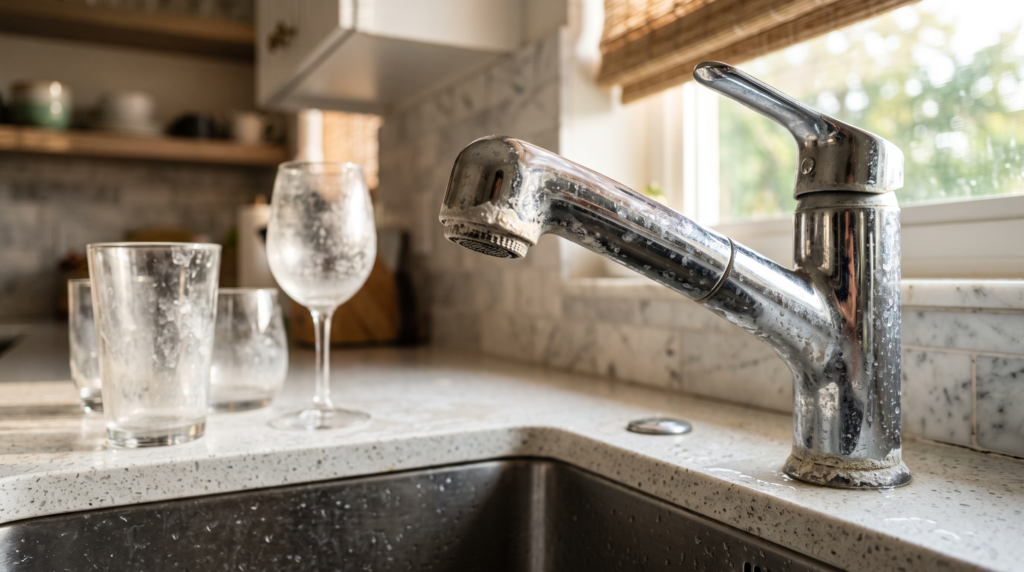
Most Floridians know their water is hard the same way they know it’s humid: they’ve stopped noticing. The spots on the glasses, the film on the shower door, the way soap never quite rinses off, all of it just becomes the background texture of living here. But hard water isn’t only a cosmetic nuisance you learn to live with. It’s a slow, steady tax on your home, quietly shortening the life of expensive appliances, gunking up your plumbing, and costing you money in ways that never send you a bill you can trace back to the cause. Because the damage is gradual and invisible, most homeowners never connect the dots. Here’s what Florida’s hard water is actually doing behind the scenes, and why it’s worth taking more seriously than a spotty wine glass.
Hard water is just dissolved minerals, and Florida has plenty
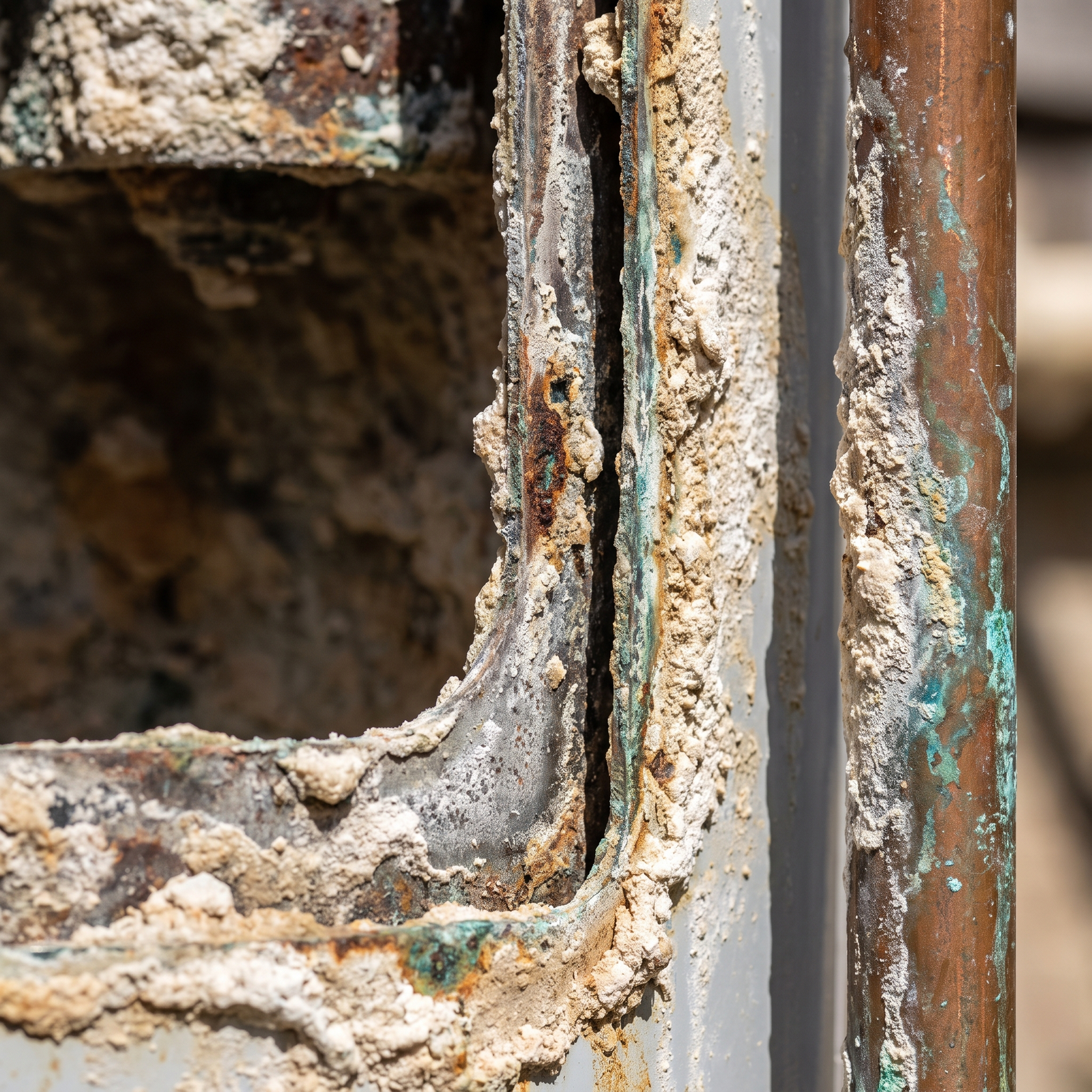
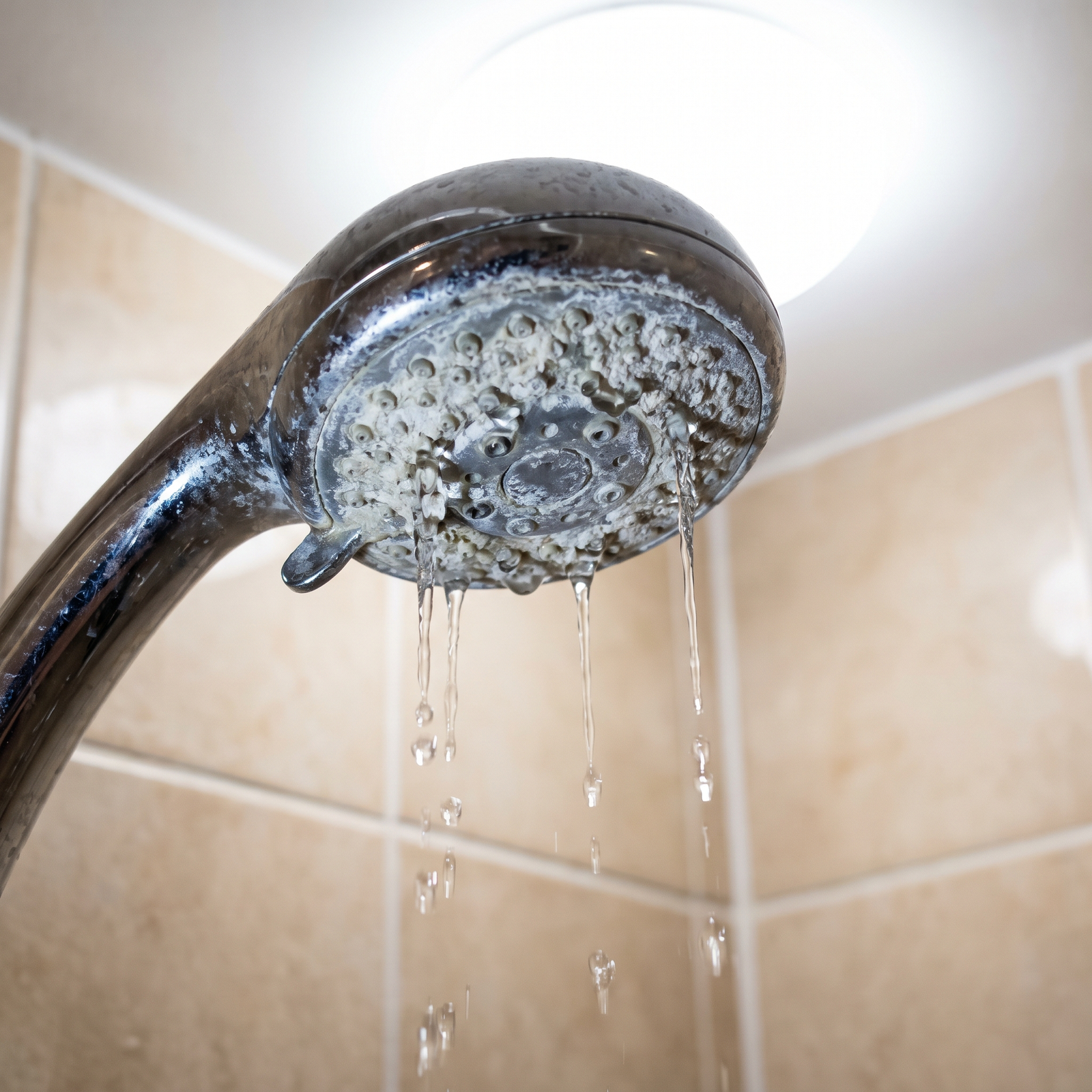
Hard water isn’t dirty or unsafe; it’s water carrying a high load of dissolved minerals, mostly calcium and magnesium, picked up as it moves through the ground. Much of Florida sits on exactly the kind of geology that produces it, which is why hardness is such a common regional reality here rather than a rare problem. Those minerals are harmless to drink, but they don’t stay dissolved forever. Wherever your water sits, heats up, or evaporates, the minerals come out of solution and deposit as scale, the chalky white buildup you’ve seen on fixtures and inside kettles. That’s the whole mechanism. Harmless in the glass, relentless on your home.
Scale is the real cost, and it lands on your appliances
Here’s where hard water stops being cosmetic and starts being expensive. Every appliance that heats or moves water, your water heater above all, is where scale accumulates fastest and does the most damage. Mineral buildup coats heating elements and lines them with an insulating crust, which forces the appliance to work harder, run less efficiently, and wear out sooner than it should. Your water heater, dishwasher, washing machine, coffee maker, and the plumbing itself all pay this tax quietly over years. You don’t get a warning; you just get appliances that fail earlier and energy bills that run a little higher than they need to. Multiply that across every water-using appliance in the house and the cost of ignoring hard water is a lot more than a box of rinse aid.
It shows up on you, too
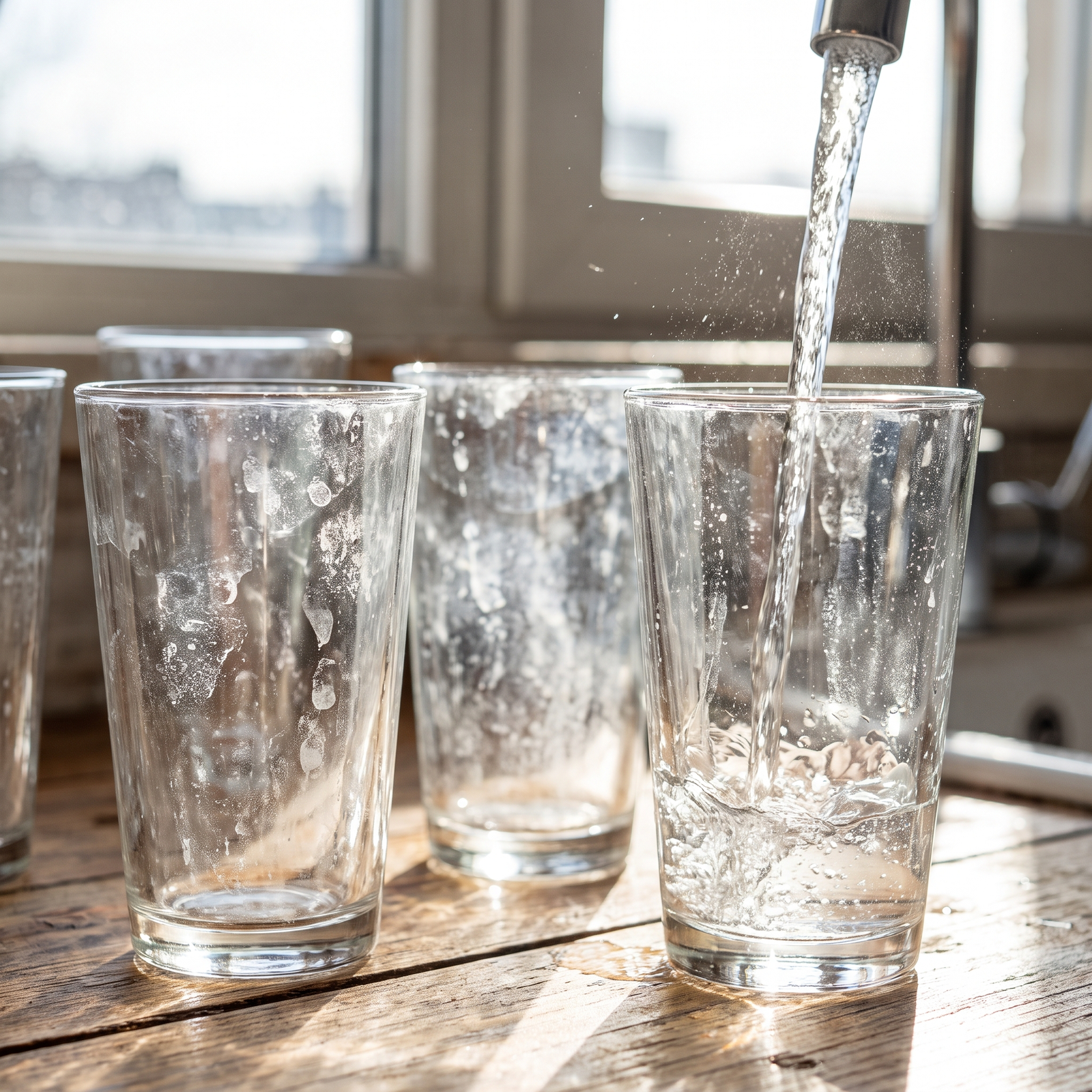
Hard water doesn’t stop at your fixtures and appliances. It changes how everything with water behaves day to day. Soap and detergent don’t lather or rinse the way they should, so you use more of everything and still fight a film. Dishes come out spotted, glassware goes cloudy over time, and laundry can feel stiff and look dingier than it should. None of this is dangerous, but all of it is friction, the constant low-grade hassle of a home where water just doesn’t quite do its job cleanly. It’s the kind of thing you stop consciously noticing and start unconsciously paying for, in extra product, extra effort, and results that are never quite right.
You don’t have to guess, and you don’t have to live with it
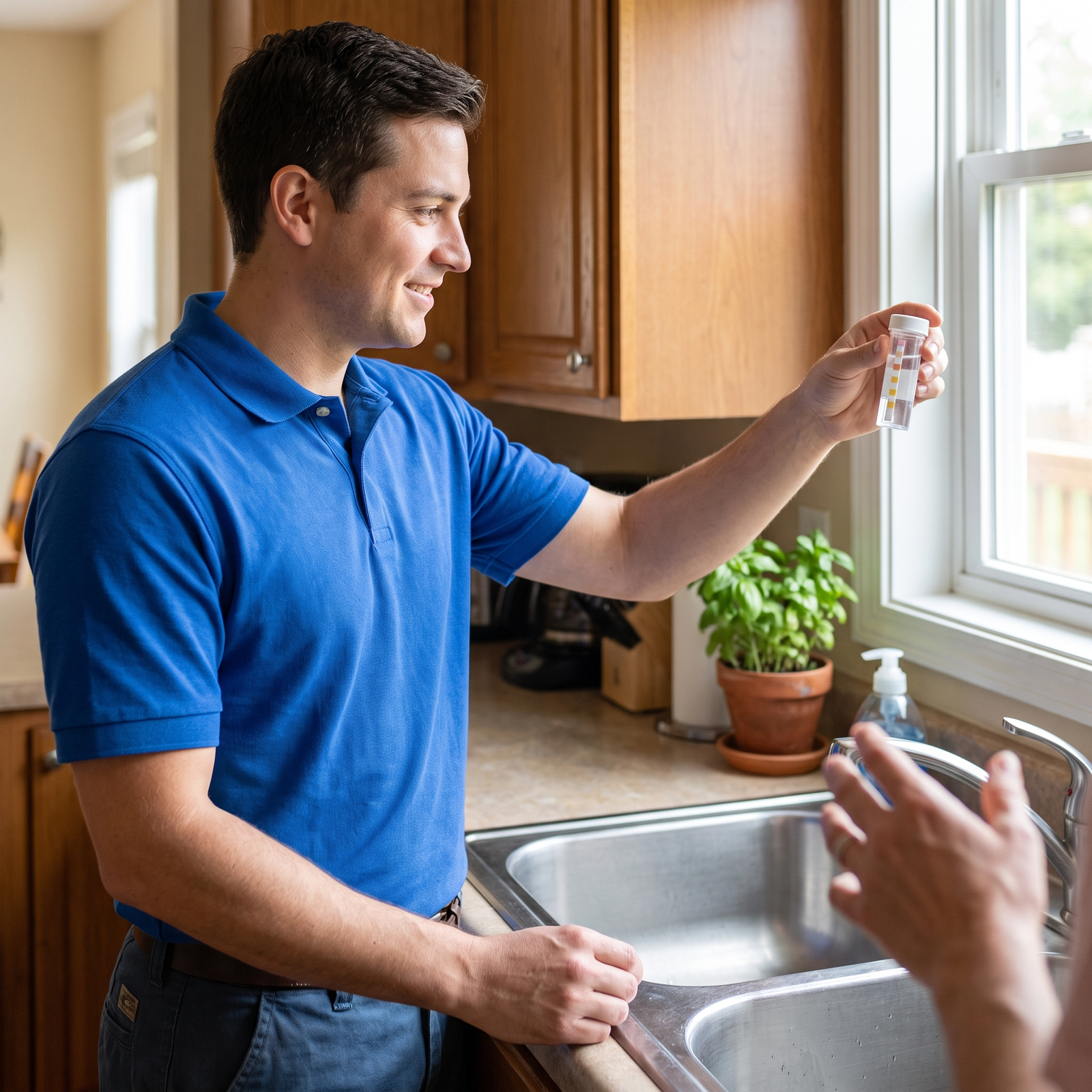
The good news is that hard water is one of the most well-understood and solvable water issues there is, but the smart move is the same one that applies to everything about your water: find out exactly what you’re dealing with instead of guessing. How hard your water is, and what else is in it, varies by where you live and your specific supply, and a real assessment tells you precisely what your home needs rather than what a generic sales pitch wants to sell you. Our approach is always measure first, then match a real whole-home solution to the actual water, so you stop paying the invisible hard-water tax on your appliances, your plumbing, and your patience.
Florida’s hard water is easy to shrug off as spots on the glassware, but it’s quietly taxing your home the whole time, scaling up your water heater, wearing out appliances early, gumming up plumbing, and making every soapy job harder than it should be. It’s harmless to drink and expensive to ignore, and the fix always starts with knowing exactly what’s in your water. If you’re a homeowner, stop paying the hidden tax and find out for sure: book a water assessment with Pure for Cure and get an honest read on your home’s water and what it actually needs. And if you run a business that depends on clean water, a restaurant, salon, clinic, or shop, the same measure-first approach scales to commercial systems, so tell us what your operation needs and we’ll match the water to the work.
Ready for cleaner water and air?
Get your free water test and consultation — no cost, no obligation.